



CfP: Feeling the Written Word – Seeing Sounding Objects: Material and Virtual Aspects of Inscriptions on Objects
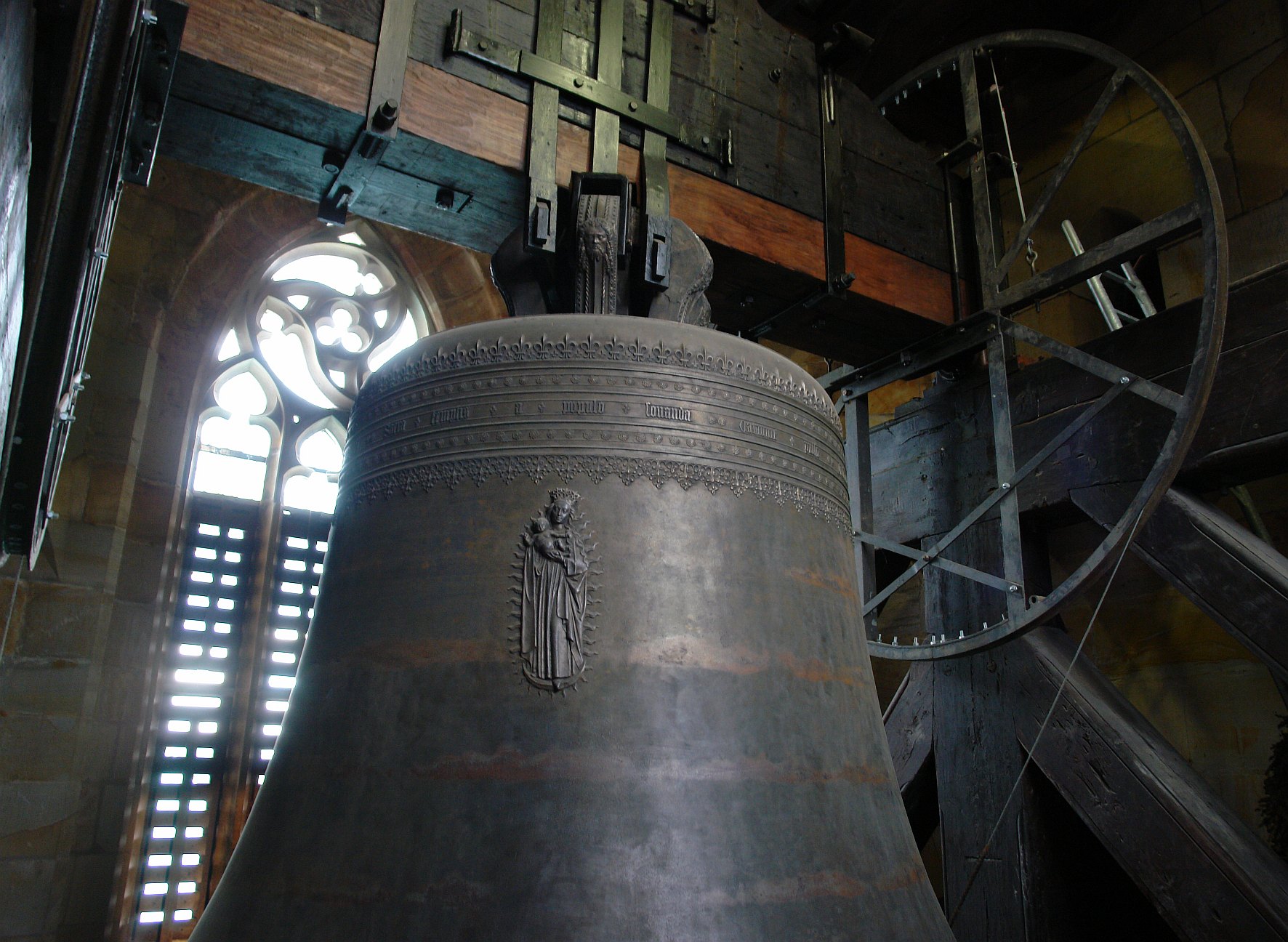
The written word does not only feature on standard media such as parchment and paper; it also appears in various forms on functional and mobile objects, such as bells, cannons, textiles, liturgical implements and swords, which combine materiality and writing. The object itself and the writing inscribed upon it are both physically present. Against this backdrop, questions arise regarding the efficacy of objects bearing writing. How is writing activated through the use and contextualisation of objects? Is writing primarily a carrier of information, or does it have further levels of efficacy, such as performative, ritual, symbolic or legal-normative? If so, how is this effectiveness realised through the interplay of material, form, and practical use? This issue explores the relationship between materiality and virtuality in objects bearing writing.
Particular emphasis is placed on the aspects of this relationship that can be perceived through the senses. Such objects are not only perceived visually, but are also embedded in complex sensory experiences, such as the sound of an inscribed bell ringing, touching inscriptions on textiles or reliquaries, and the simultaneous sight and sound of scrolls in liturgical performances. Similarly, virtual or represented substrates for writing—like painted scrolls or engraved imitations of texture—produce a sensory effect that renders materiality tangible, even though it exists solely as an image. This interplay of haptic, acoustic and visual dimensions gives rise to an expanded form of effectiveness that goes beyond mere informational content.
Particular attention is also paid to the significance of the materials used. Materials such as metal, wood, stone, fabric, precious metals and organic substances shape the semantics of inscribed writing in specific ways. What role do the properties attributed to these materials, such as the malleability of bronze, the shine of gold or the texture of textiles, play in the semantics and activation of written characters?
By contrast, in visual media the representation of text banners is of a different order: they appear as objects that mimic textile or parchment carriers and at the same time develop their own internal logic. Their perceived materiality influences the semantics of the text as much as the attribution of voice, authority or performative presence. In this way, they exemplify the intersection of materiality and virtuality.
This call invites submissions that use case studies and theoretical approaches to shed light on the dynamics between objects and texts, and between materiality and virtuality. Through an interdisciplinary approach, the aim is to gain a deeper understanding of the role that materiality and sensory perception play in activating virtually available content and of how objects bearing writing not only convey information, but also actively help to shape social, religious and political orders.
Submit your proposal via e-mail to: memo@plus.ac.at
Timeline
By mid-September 2026: Submission of abstracts
Early October 2026: Notification of acceptance to authors
Late January 2027: Submission of manuscripts; manuscripts sent out for peer review
Early May 2027: Submission of revised manuscripts
Mid-July 2027: Online publication date